
Mara Jung · 10 September 2026
Analyzing How Microclimates Shape Pollinator Diversity in Remote Appalachian Valleys
Remote Appalachian valleys host intricate networks of microclimates that directly influence pollinator communities through variations in temperature, humidity, and solar exposure. These localized conditions arise from steep elevation changes, dense forest canopies, and narrow valley orientations that trap or deflect air masses. Researchers have documented how even small differences in slope aspect create pockets where temperatures fluctuate by several degrees within a single kilometer. Such patterns affect flowering plant phenology and in turn determine which pollinator species can complete their life cycles in a given area.
Microclimate Formation in Valley Systems
Topographic features in the Appalachians generate microclimates through interactions between terrain and prevailing weather systems. North-facing slopes retain cooler, moister air while south-facing exposures receive more direct sunlight and experience warmer daytime temperatures. Cold air drainage into valley floors produces frost pockets that delay spring blooming, whereas sheltered coves maintain milder conditions that extend growing seasons. Data from long-term monitoring stations indicate these gradients persist across seasons and shape the availability of nectar and pollen resources at different times of year.
Soil moisture levels also vary sharply across short distances because of differences in drainage and leaf litter accumulation. Wetter microsites support plants like cardinal flower and jewelweed that attract specific bee and butterfly species, while drier ridges favor goldenrod and asters visited by a different suite of pollinators. Observers note that these plant distributions create distinct foraging zones that limit or encourage movement of insects between patches.
Pollinator Responses to Temperature and Humidity Gradients
Bumblebees demonstrate clear preferences for cooler microclimates found at higher elevations or shaded valley bottoms where they maintain colony temperatures more efficiently. Solitary bees such as mining bees and sweat bees occupy warmer, sunnier exposures that allow faster nest provisioning during shorter activity windows. Research indicates that humidity influences wing beat efficiency and desiccation risk, with some species restricted to moist ravines while others tolerate drier ridge lines. These preferences translate into measurable differences in species richness across microclimate zones within the same valley complex.
Plant-Pollinator Synchrony Under Variable Conditions
Flowering times shift according to local temperature accumulation, so microclimates that warm earlier support early-season pollinators while cooler pockets delay bloom until later months. This staggered phenology reduces competition among pollinators and allows multiple species to coexist by partitioning resources temporally. Studies show that valleys with pronounced microclimate diversity maintain higher overall pollinator abundance because the extended bloom period supports successive generations and migrant species passing through the region.
Turnout for certain specialist pollinators depends on the presence of host plants that thrive only under narrow temperature and moisture thresholds. When microclimate patches shrink or shift due to broader climate patterns, these specialists face reduced habitat connectivity. Figures from field surveys reveal that connectivity corridors along streams and forest edges help maintain gene flow between isolated populations separated by unsuitable ridge habitats.
Evidence from Recent Field Campaigns
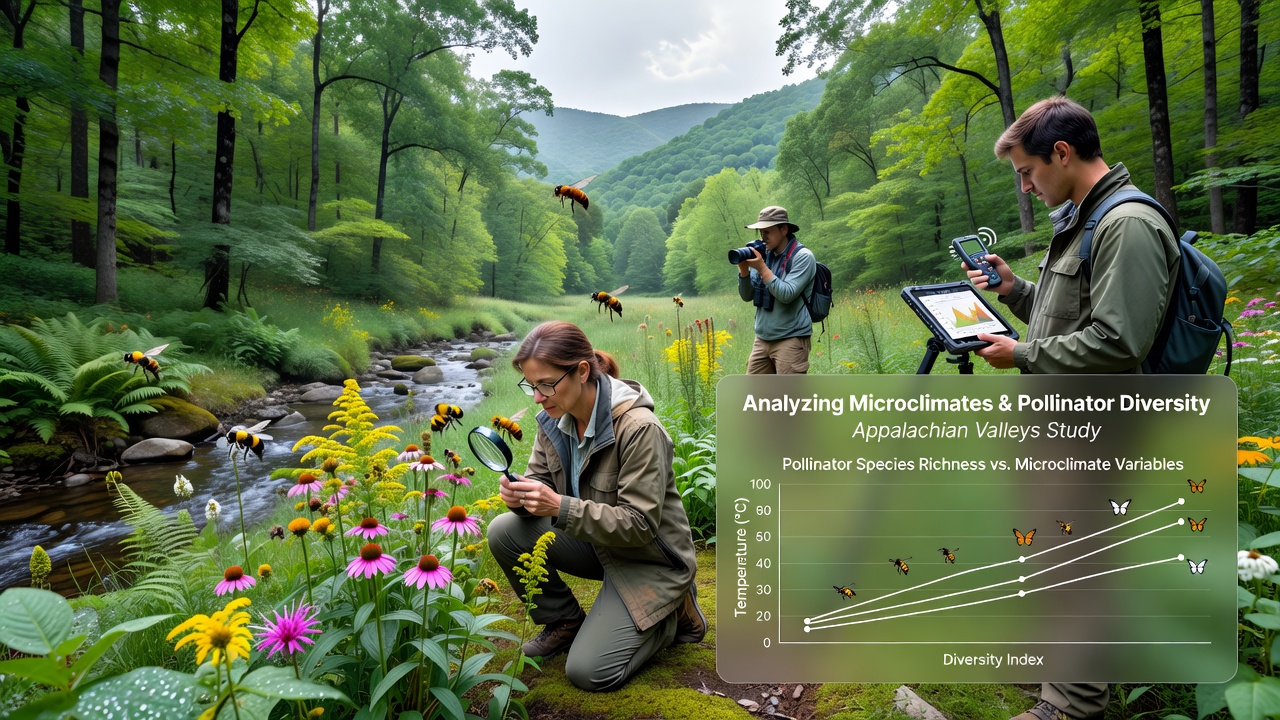
Monitoring efforts conducted through September 2026 captured seasonal shifts in pollinator activity across multiple valley sites. Trap and observation data showed peak diversity during mid-summer when temperature contrasts between north and south slopes reached their maximum. Species accumulation curves flattened more rapidly in uniform microclimate areas compared with heterogeneous zones that continued to add new records into late season. These patterns align with earlier findings from similar topographic settings in other mountain ranges.
According to reports from the U.S. Forest Service, elevation-driven microclimates contribute to regional pollinator resilience by buffering against extreme weather events. Valleys that contain both cool refugia and warm exposures experience less pronounced population crashes during drought or heat waves. Canadian researchers have observed comparable buffering effects in the Rocky Mountain foothills where topographic complexity supports parallel increases in bee functional diversity.
Implications for Conservation Planning
Mapping microclimate patches helps identify priority areas for habitat protection because these zones sustain distinct pollinator assemblages that would otherwise be underrepresented in broader landscape assessments. Restoration projects that recreate varied canopy openings and maintain riparian buffers can enhance microclimate diversity even in valleys already altered by past land use. Monitoring programs now incorporate fine-scale temperature loggers to track how management actions alter local conditions over time.
Connectivity between microclimate patches matters for species that require multiple habitat types during their life cycle. Corridors that link cool valley bottoms with warmer slopes allow seasonal movements and provide alternative forage when primary resources fail. Evidence suggests that preserving these linkages supports higher long-term stability in pollinator communities across the Appalachian region.
Conclusion
Microclimates in remote Appalachian valleys create the environmental mosaic that sustains pollinator diversity through differences in temperature, moisture, and plant availability. Continued documentation of these relationships provides baseline information for evaluating future changes and guiding management that maintains habitat heterogeneity. The data collected through ongoing surveys demonstrate that topographic complexity remains a key driver of ecological function in these systems.