Kai Albrecht · 5 November 2026
Seasonal Fog Patterns That Shape Unique Plant Communities in Narrow Appalachian Coves
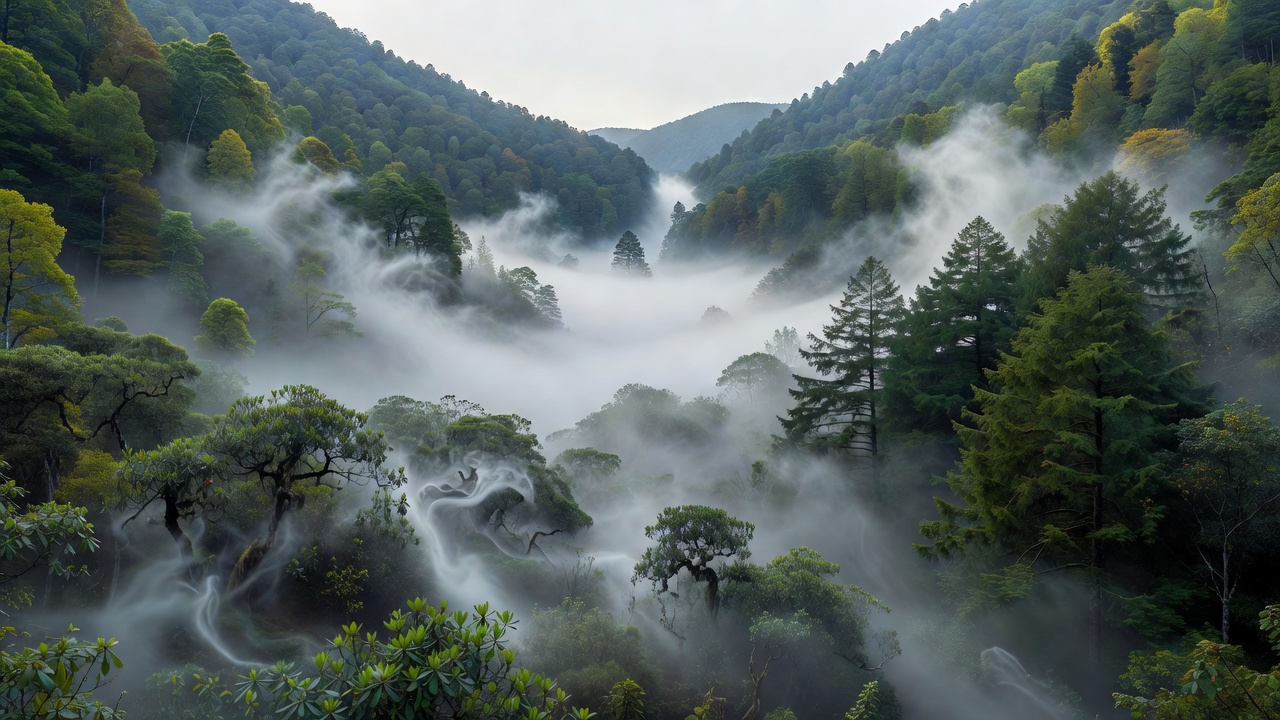
Seasonal fog patterns develop when cool air drains into narrow Appalachian coves during temperature inversions, trapping moisture that condenses into persistent low clouds, and these conditions create microclimates where light levels drop sharply while humidity rises above 90 percent for extended periods each year. Observers note that the topography of steep slopes and restricted valleys funnels katabatic winds downward, concentrating water vapor that would otherwise disperse across open ridges, and this process repeats most reliably from late summer through early winter when radiative cooling intensifies after sunset. Data from regional monitoring stations shows peak fog frequency between September and December, with November 2026 records indicating an average of 18 foggy mornings across sampled coves in the southern Appalachians compared to 12 in the preceding decade.
Formation Mechanisms in Confined Valleys
Air masses cool rapidly on clear nights because the narrow cove geometry limits mixing with warmer upper air layers, and the resulting temperature gradient pulls humid air from surrounding slopes into the basin where it saturates and forms ground fog that can persist until mid-morning solar heating breaks the inversion. Researchers have documented how deciduous canopy loss in autumn exposes the forest floor to greater radiative heat loss, which amplifies fog density and duration, whereas evergreen understories such as rhododendron thickets further trap moisture by reducing wind speed at ground level. Studies indicate that fog events lasting longer than six hours correlate with measurable drops in evapotranspiration rates for understory herbs, allowing species adapted to constant dampness to outcompete drought-tolerant plants that dominate exposed slopes.
Plant Community Responses to Persistent Moisture
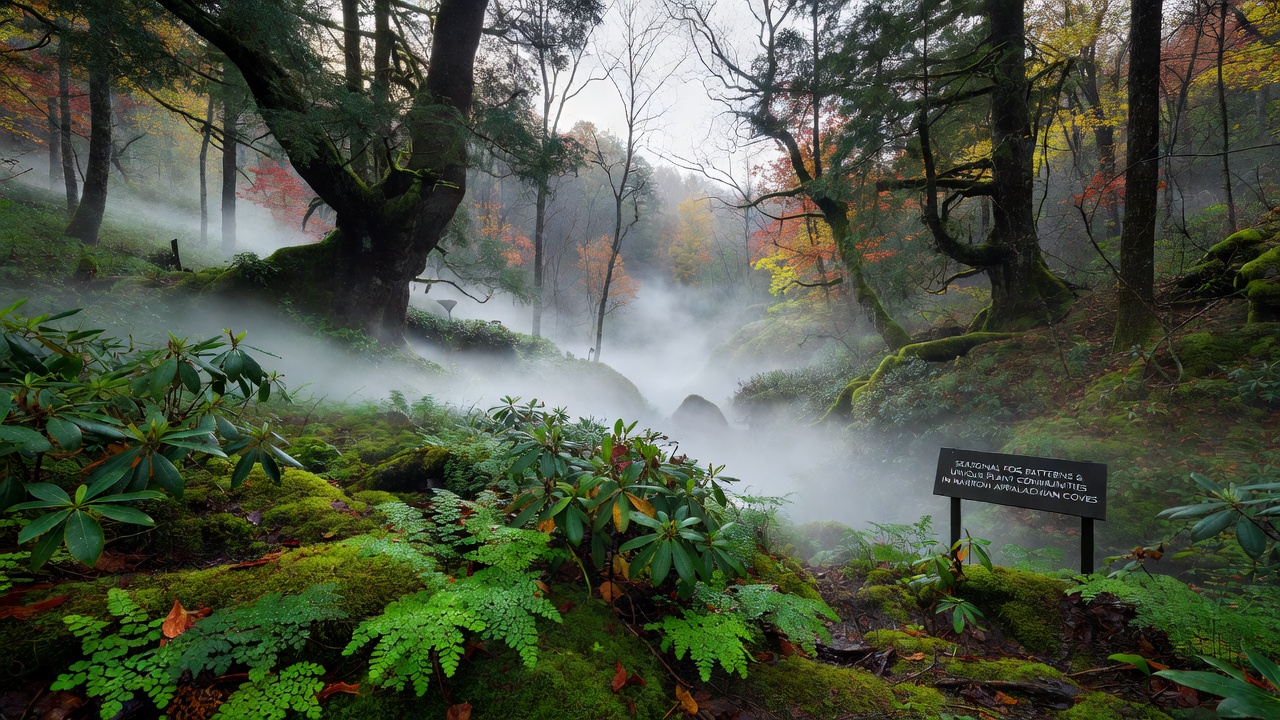
Unique assemblages of mosses, liverworts, and ferns thrive where fog supplies a steady source of liquid water that bypasses rainfall variability, and these communities exhibit higher species richness than adjacent drier habitats because the sustained humidity supports epiphytic growth on tree trunks and shaded rock faces. Data indicates that cove floors host elevated populations of walking fern and maidenhair spleenwort, both of which require constant surface moisture for spore germination, while canopy gaps created by occasional windthrow allow light penetration that balances the otherwise dim conditions created by fog. One study revealed that plots receiving more than 150 fog hours per month supported 30 percent more bryophyte cover than control sites with minimal fog exposure, demonstrating how seasonal patterns directly influence community structure.
Seasonal Shifts and Community Dynamics
Spring fog events often coincide with leaf-out periods, delivering moisture that supports rapid growth of spring ephemerals before canopy closure reduces light further, and summer fog tends to form in the early morning hours before dissipating, creating brief windows of high humidity that protect seedlings from desiccation during heat waves. Autumn brings the longest and densest fog periods as leaf drop increases nocturnal cooling, and this timing aligns with seed dispersal for many shade-tolerant herbs whose propagules benefit from moist substrates for establishment. Winter fog can persist for days when mild air masses override cold valley bottoms, maintaining above-freezing conditions that prevent deep soil frost and allow certain evergreen species to continue limited photosynthesis. Figures reveal that plant cover in these coves remains stable across years with consistent fog frequency, whereas sites experiencing reduced fog show measurable declines in sensitive lichen populations.
Broader Ecological Context
According to U.S. Forest Service monitoring programs, narrow coves function as refugia during regional drying trends because fog inputs supplement precipitation and buffer against drought stress that affects wider valleys. Research indicates that these habitats also harbor disjunct populations of northern plant species that persist at lower elevations due to the cool, moist microclimate created by repeated fog events. Experts have observed similar patterns in other mountain systems where topographic confinement concentrates atmospheric moisture, confirming that the Appalachian examples represent a widespread mechanism rather than an isolated phenomenon. Observations through November 2026 continue to track how changing precipitation regimes interact with fog frequency, providing baseline data for understanding long-term shifts in community composition.
Conclusion
Seasonal fog patterns in narrow Appalachian coves sustain distinct plant communities through consistent moisture delivery and moderated light regimes that favor specialized species over generalists found on surrounding slopes. Data shows these dynamics operate across multiple seasons, with each period contributing unique conditions that support different life stages of understory vegetation. Continued monitoring by government and academic institutions supplies the measurements needed to track how these patterns evolve under changing climatic conditions.